What Is a Screen and Recoat in Toronto?
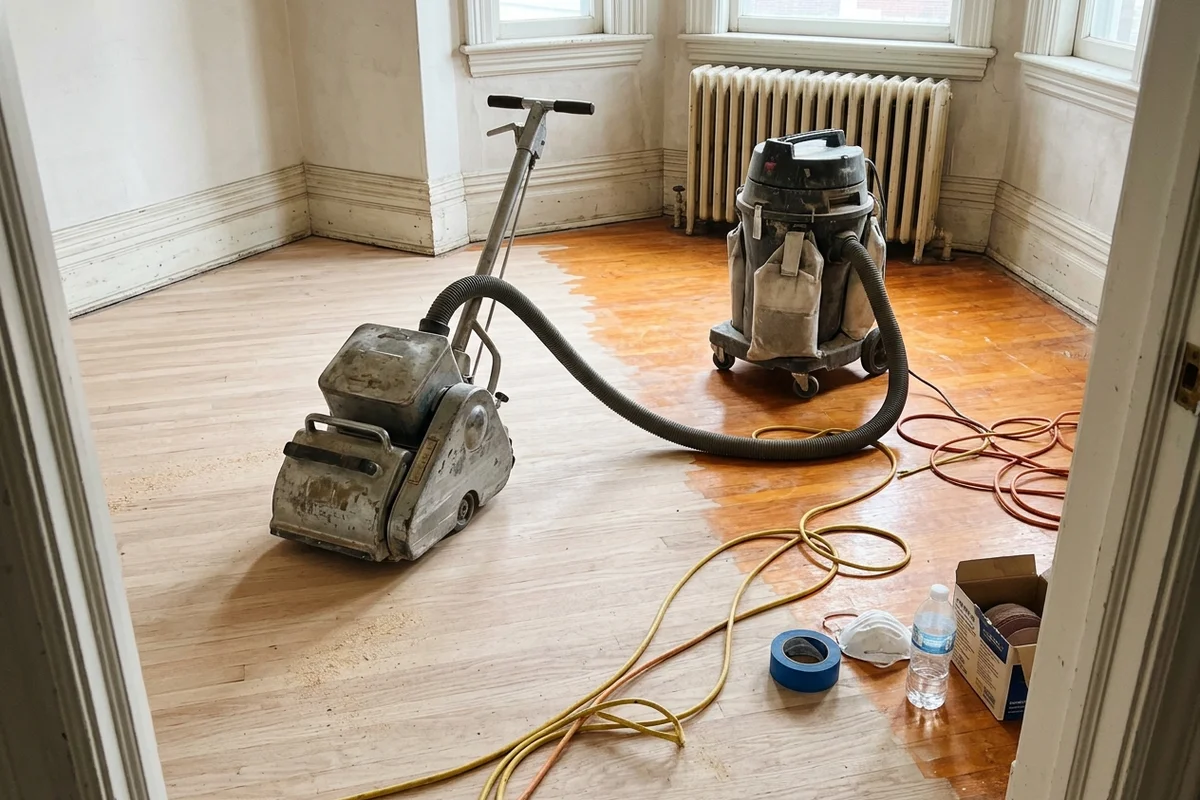
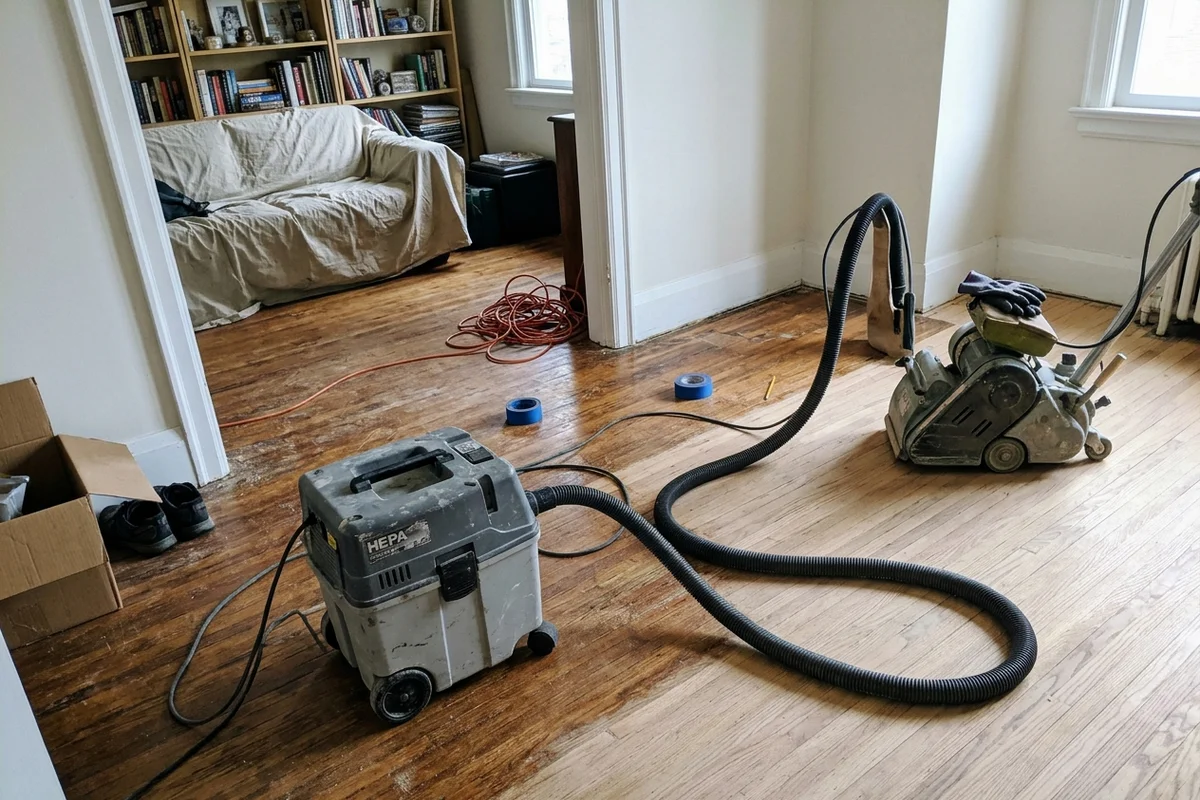
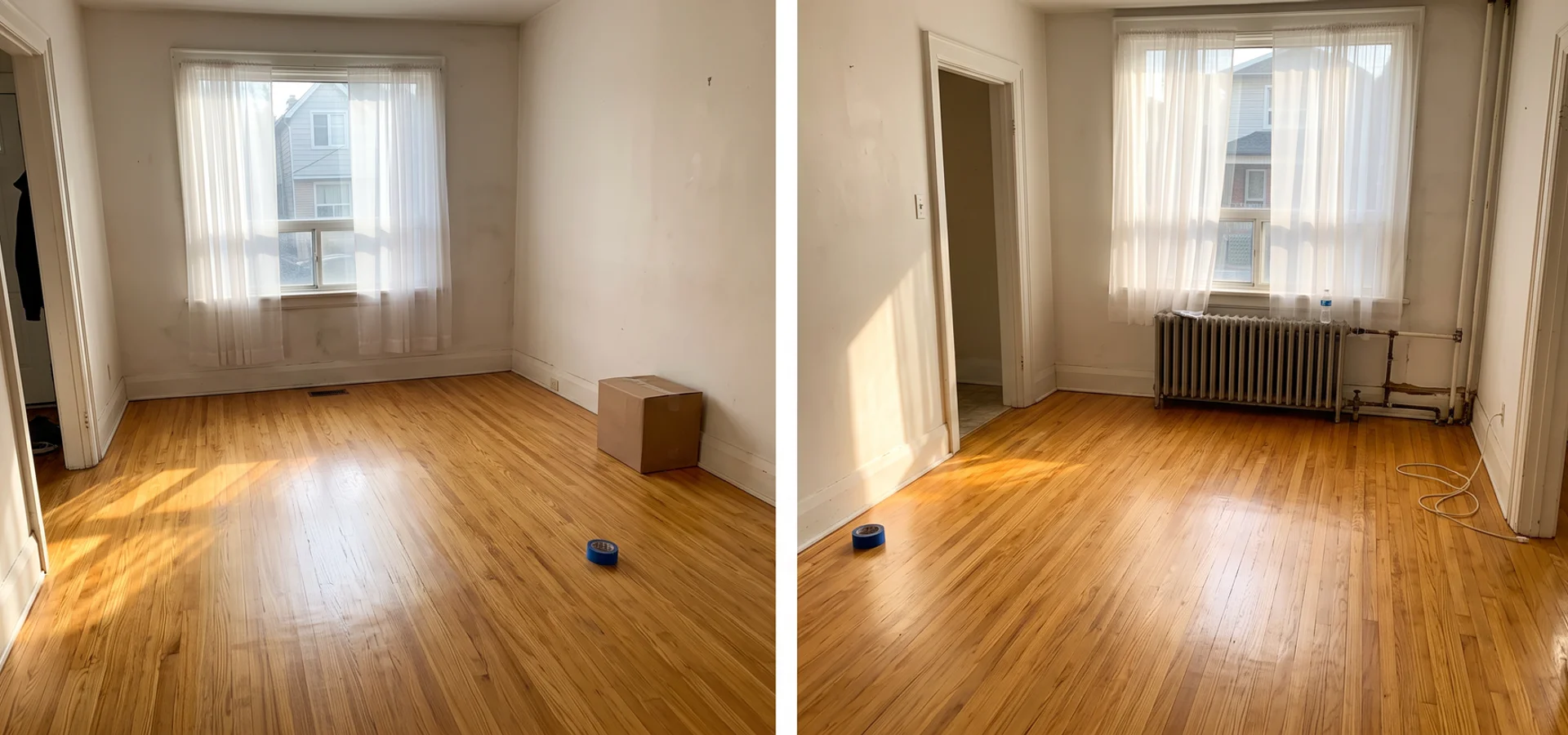
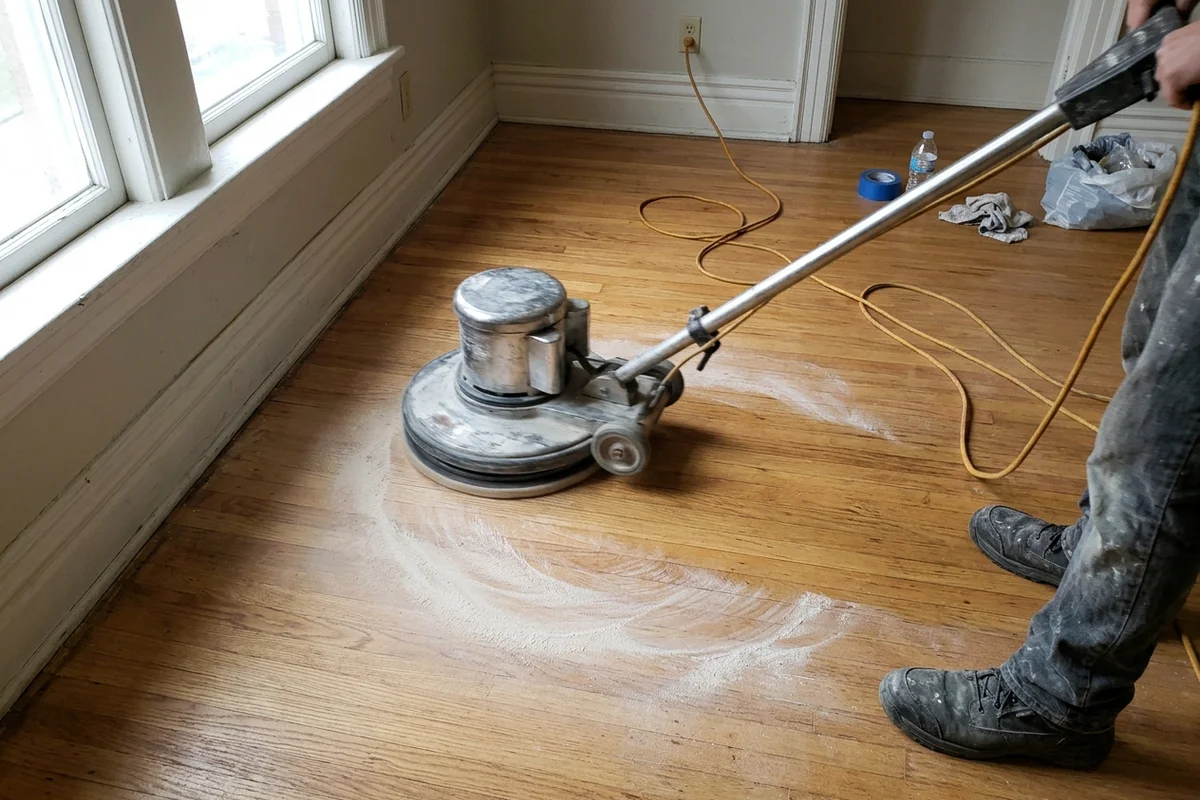
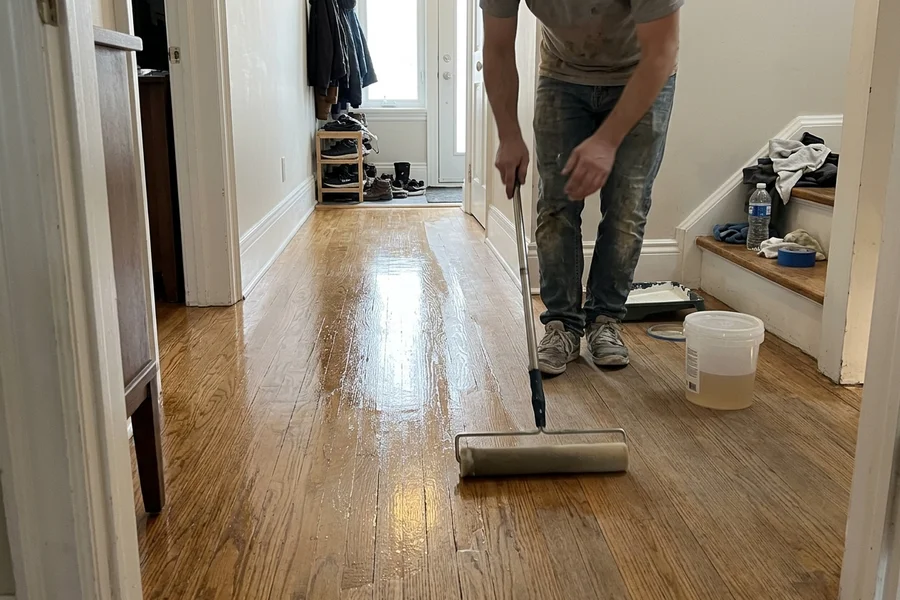
Screen and recoat in Toronto is the one-day, no-sand way to bring back a hardwood floor that has gone dull but is still protected. Instead of sanding to bare wood, we abrade only the top of the existing finish so a fresh coat can bond to it, then apply a new coat of Bona Traffic HD. The wood itself is not touched, which is why it is fast, affordable and ideal for floors you want to keep sanding-free for as long as possible.
It is sometimes called a buff and recoat. Same idea: scuff the old finish evenly, clean it perfectly, and add a new protective layer.
When Does a Screen and Recoat Work?
It works when the finish is worn but not gone. Typical signs:
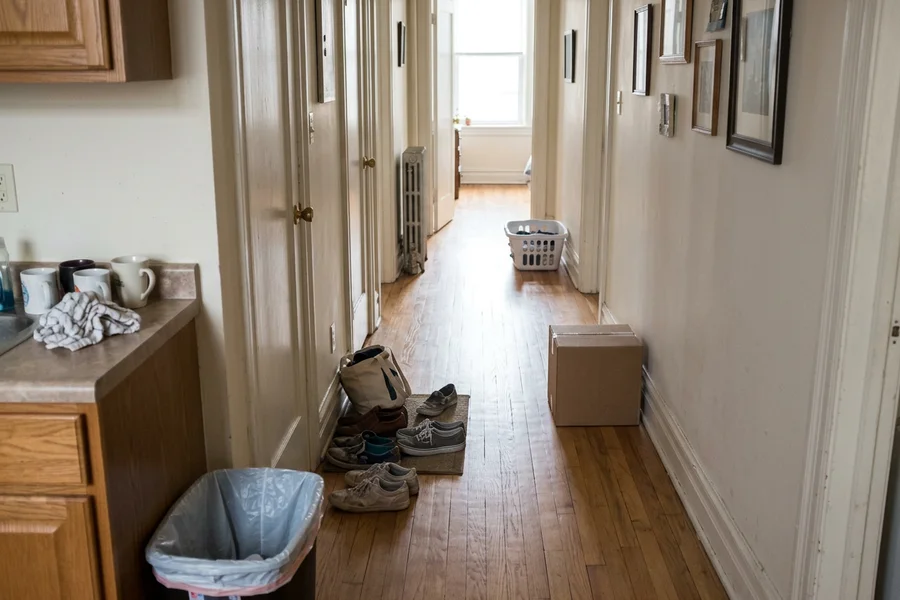
- The floor looks dull or patchy, especially in hallways and kitchens.
- There are fine surface scratches from pets, chairs or grit.
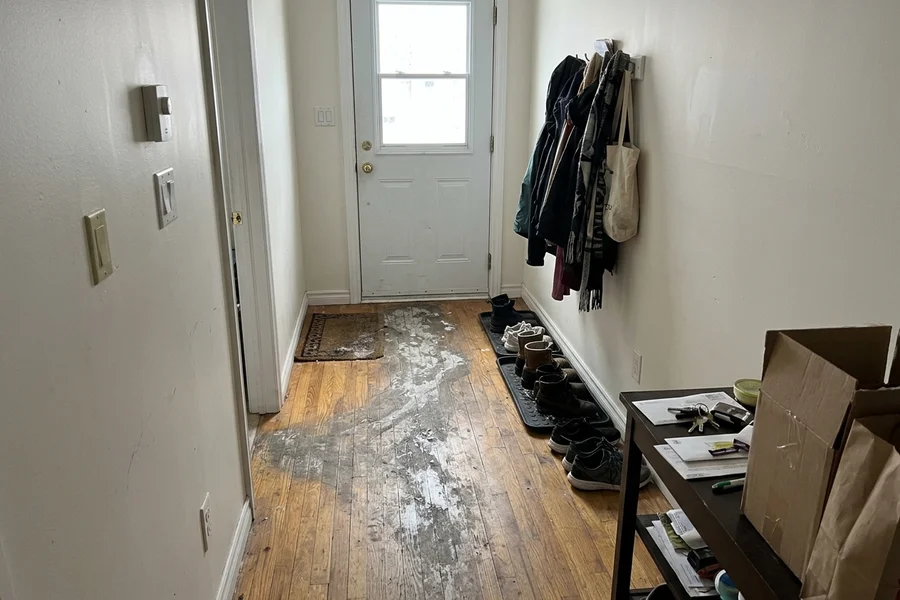
- Winter salt has greyed the finish in the entry lane, but the wood underneath is fine.
- A rental unit looks tired between tenants.
It does not work when the wood is exposed, greyed or black in traffic lanes, when scratches go into the wood, or when you want a different stain colour. Those floors need a full hardwood floor refinishing.
The water test. Put a few drops of water on the most worn spot. If they bead, the finish is intact and a recoat will work. If they soak in and darken the wood, the finish is gone.
Why We Test Adhesion First
The single biggest risk with a recoat is a new coat that will not stick. Floors that have been waxed, polished with silicone-based products or cleaned for years with oil soaps carry residue that repels new finish. Many factory-prefinished floors have an aluminium-oxide finish that is extremely hard and smooth, which also resists bonding.
So before quoting, we test. We check for contamination and do an adhesion test on a small, out-of-sight area. If the floor fails, we say so and explain the options rather than applying a coat that may peel in a few weeks.
How Much Does a Screen and Recoat Cost in Toronto?
| Job | Typical price |
|---|---|
| Hallway + kitchen (about 300 sq ft) | about $750 |
| 800 sq ft main floor | about $1,900 |
| 850 sq ft rental unit | $1,700-$2,550 |
| Property manager annual contract | $15K-$80K per year |
At $2-$3 per sq ft, a recoat is roughly half the price of full sand-to-bare-wood hardwood refinishing in Toronto. Done every 3-5 years, it can delay a full refinish by a decade or more, which matters on heritage floors with limited wood left.
Screen and Recoat vs Full Refinish
| Screen and recoat | Full refinish | |
|---|---|---|
| Price | $2-$3/sq ft | $3-$5/sq ft |
| Time | 1 day | 2-4 days |
| Sanding into wood | No | Yes, to bare wood |
| Removes deep scratches | No | Yes |
| Changes colour | No | Yes |
| Best for | Dull, intact finishes | Worn-through, damaged or recoloured floors |
Why Landlords and Property Managers Use It
Rental floors take a beating, and every day a unit sits empty costs money. A recoat between tenants keeps the floor protected and photo-ready in a single day. A Scarborough landlord had an 850 sq ft Bendale rental refreshed over one weekend and relisted on Monday. Property managers across Scarborough, Etobicoke and North York use annual contracts with Net-30 terms and COIs within 24 hours.
For engineered floors with a veneer too thin to sand, a recoat is often the best option available, as we explain on our engineered hardwood refinishing page.